
A torn seam, a missing button, or a broken zipper does not have to mean the end of a garment's life. In Singapore, skilled tailors operate in nearly every housing estate, and the cost of a basic repair is often a fraction of buying a replacement. Beyond professional help, many common fixes require nothing more than a needle, thread, and 15 minutes of your time.
Why Repair Matters More Than Ever
The average person in Singapore discards about 27 pieces of clothing per year, according to estimates from the National Environment Agency. Much of this clothing could be salvaged with simple repairs. When you extend a garment's life by just nine months, you reduce its carbon, water, and waste footprint by approximately 20 to 30 per cent, based on data from the Waste & Resources Action Programme (WRAP).
Repair is also a mindset shift. Instead of treating clothing as disposable, you start to see each piece as something worth maintaining, much like you would service a bicycle or maintain a good kitchen knife.
Common Repairs You Can Do at Home
Sewing on a Button
This is the most straightforward repair and a good starting point. You need a needle, matching thread, and the replacement button. Position the button over the original spot, and stitch through each hole at least four times. Wrap the thread around the base a few times to create a shank, then knot it on the inside of the fabric. The whole process takes about five minutes.
Fixing a Hem
When a trouser hem or skirt hem comes undone, you can restitch it using a blind hem stitch, which is nearly invisible from the outside. Fold the fabric to the original hem line, pin it in place, and stitch by catching only a single thread of the outer fabric with each pass. Iron the hem afterwards for a crisp finish.
Patching Small Holes
For small holes in casual garments, visible mending has become popular. Use a contrasting thread or fabric patch for a deliberate, decorative effect. For work shirts or formal clothing, iron-on patches placed on the inside of the garment provide a clean, invisible repair. You can find these at any craft shop in Singapore, including the stores along Arab Street and at Spotlight in Westgate.

When to See a Professional Tailor
Some repairs and alterations are best left to professionals. These include:
- Replacing zippers, particularly on jackets and trousers. A poorly installed zipper will fail quickly.
- Resizing garments, such as taking in a waist or letting out seams. This requires understanding garment construction.
- Repairing leather or suede items, which need specialised tools and adhesives.
- Altering structured garments like blazers and suit jackets, where the internal canvas must be adjusted alongside the outer fabric.
Finding a Good Tailor in Singapore
Singapore has an exceptionally strong tailoring tradition. Many HDB estates have alteration shops, typically found near wet markets or alongside laundry services. Here are some tips for finding a reliable tailor:
- Ask neighbours and local community groups for recommendations. Word of mouth remains the most reliable indicator of quality.
- Start with a simple job, like hemming trousers, before entrusting complex alterations.
- Communicate clearly about what you want. Bring reference photos if you have a specific outcome in mind.
- Expect to pay between S$5 and S$15 for basic alterations (hems, button replacements) and S$20 to S$50 for more complex work (zipper replacements, resizing).
Caring for Clothes to Reduce the Need for Repairs
Prevention is always better than repair. A few habits can significantly extend the life of your wardrobe:
- Wash less frequently. Many items, particularly jeans and outerwear, do not need washing after every wear. Spot clean when possible.
- Use cold water and gentle cycles. Hot water and aggressive agitation break down fibres faster.
- Air dry instead of using a tumble dryer. The heat and tumbling action cause shrinkage and pilling.
- Store knitwear folded rather than hung. Hangers cause shoulder bumps and stretching in knitted fabrics.
- Rotate your shoes. Allowing shoes to rest between wearings lets moisture evaporate and extends their lifespan.
Resources for Learning Repair Skills
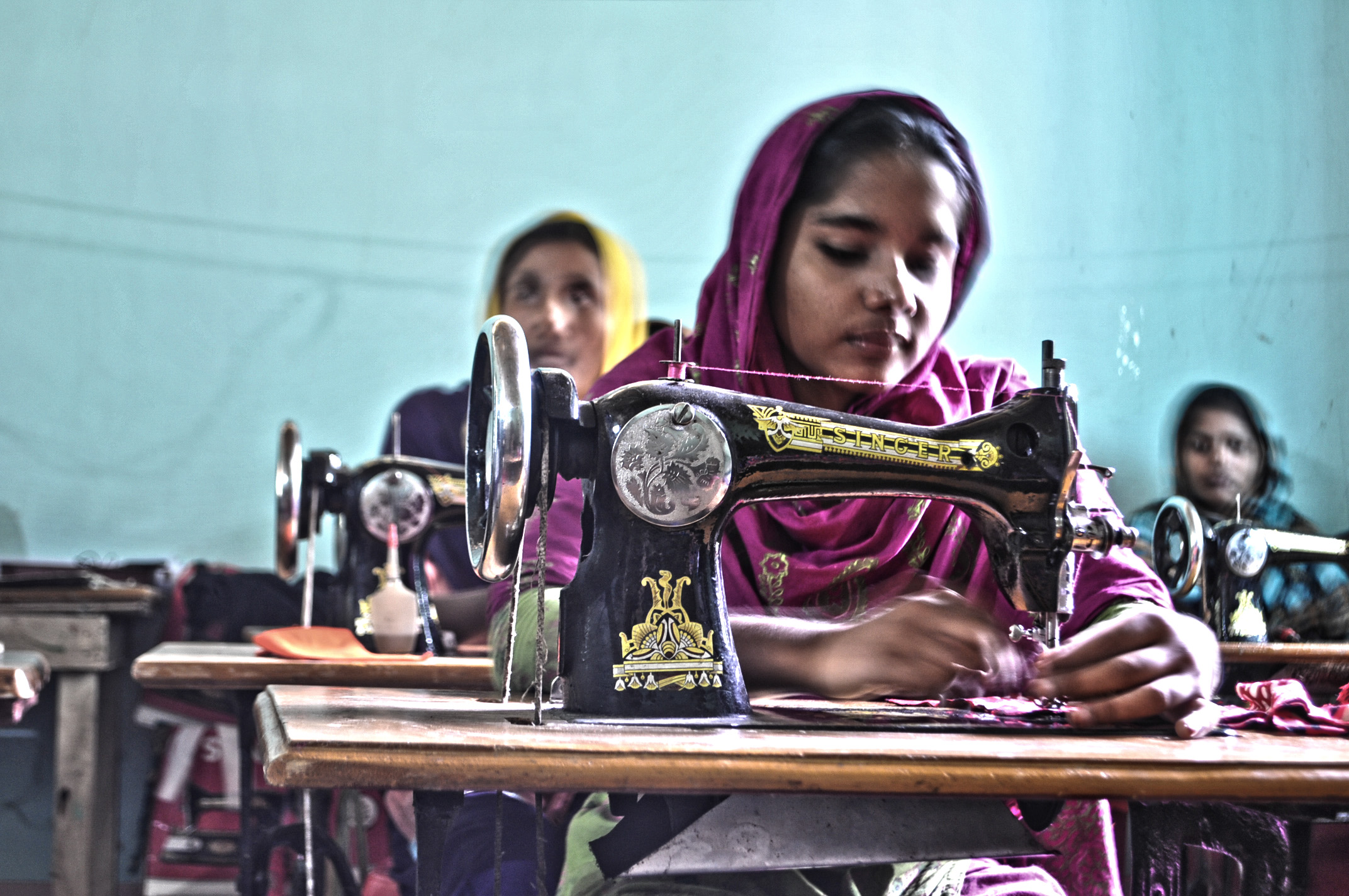
If you want to develop your mending skills beyond the basics, Singapore offers several options. Community centres in neighbourhoods like Toa Payoh and Tampines occasionally run sewing workshops. Libraries under the National Library Board sometimes host maker sessions that include basic garment repair.
Online, platforms like YouTube have thousands of free tutorials covering everything from darning socks to rebuilding jacket linings. The key is to start with something simple and build confidence gradually.
A repaired garment tells a story. It says you valued something enough to fix it rather than replace it, and that small act ripples outward into a healthier relationship with consumption.