
Singapore's thrift scene has grown considerably over the past few years. What was once a niche pursuit for vintage enthusiasts has become a genuine shopping alternative for thousands of residents looking to reduce waste and find one-of-a-kind pieces. We spent several weeks visiting stores across different neighbourhoods to put together this guide.
Kampong Glam & Haji Lane
The Kampong Glam district, particularly Haji Lane and its surrounding streets, has become the epicentre of vintage shopping in Singapore. The narrow lane is lined with independent stores offering curated collections of pre-loved clothing, accessories, and footwear.
What makes this area stand out is the curation. Store owners here tend to be passionate about fashion history and source their stock carefully. You will find everything from 1970s denim to early 2000s streetwear, and the prices generally reflect the quality and rarity of items.
Most stores open from late morning, so plan a visit around lunchtime. The area is easily accessible from Bugis MRT station, and you can combine your thrift run with a meal at one of the nearby Middle Eastern or Malay restaurants.

Queenstown & Commonwealth
If Haji Lane is where trend-conscious shoppers go, Queenstown is where the real bargains live. The area around Commonwealth Crescent and Dawson Road hosts several charity-run thrift shops where prices rarely exceed S$10 for a garment.
The Salvation Army Family Thrift Store on Tanglin Road, while technically not in Queenstown, serves a similar demographic and carries a rotating stock of donated clothing, books, and household goods. Their stock changes frequently, so regular visits yield the best finds.
These shops rely on donations from the local community, which means the inventory reflects Singapore's diverse population. You can find everything from corporate shirts and cheongsams to athletic wear and children's clothing.
Chinatown & Tanjong Pagar
Chinatown's thrift offerings lean towards vintage Asian textiles and heritage clothing. Several shops along Pagoda Street and Smith Street stock traditional garments, including batik shirts, mandarin-collar tops, and pre-loved silk scarves.
The area also hosts periodic weekend flea markets where independent sellers set up stalls with curated secondhand collections. Follow local community boards and social media groups for announcements, as these events sell out quickly.
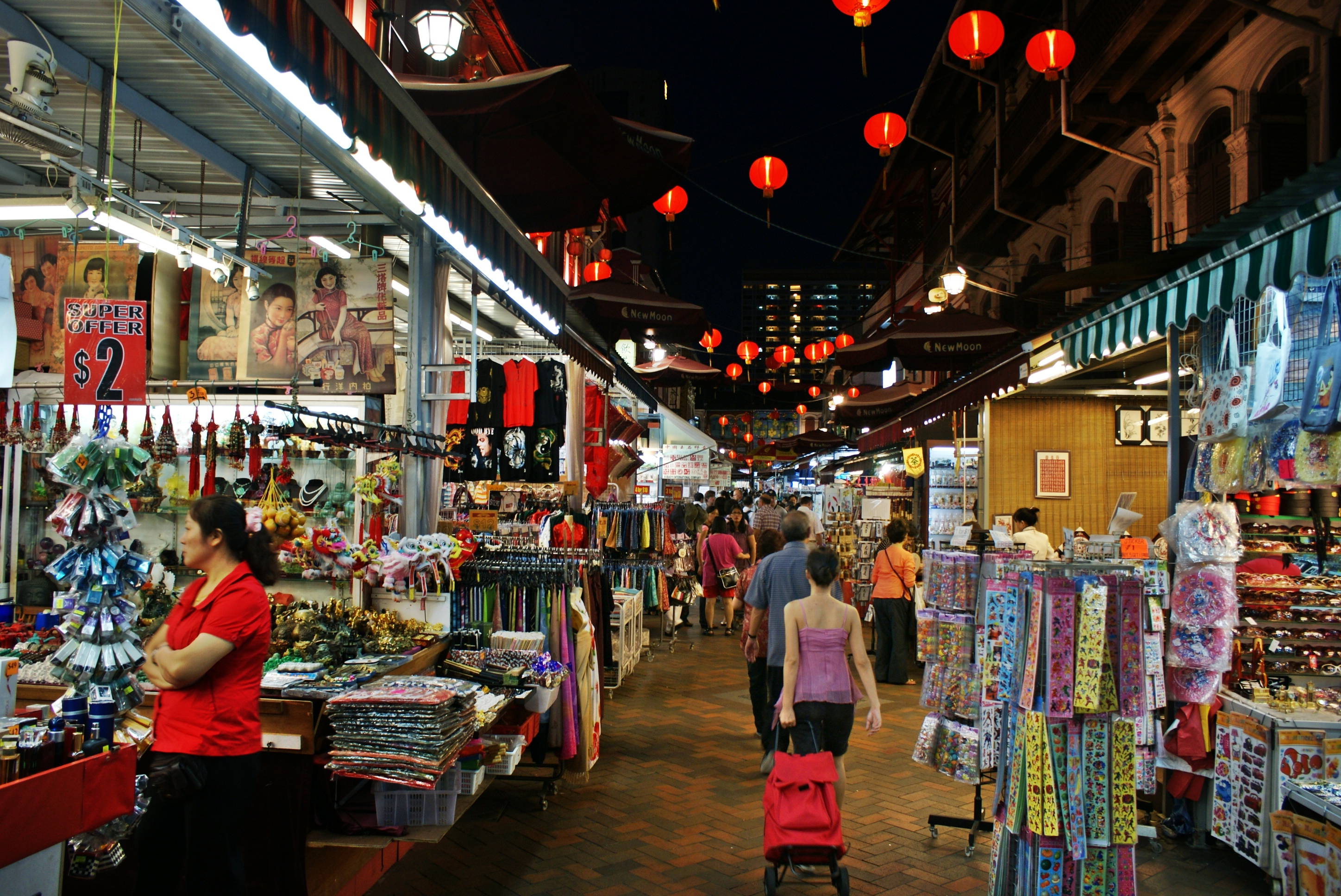
Tiong Bahru
Tiong Bahru has a reputation as one of Singapore's trendiest neighbourhoods, and its secondhand stores match that energy. A handful of shops here focus on lifestyle goods alongside clothing, offering vintage homeware, vinyl records, and curated fashion pieces.
Prices in Tiong Bahru tend to be higher than charity shops but lower than Haji Lane boutiques. The neighbourhood is walkable and pleasant for a weekend browse, with plenty of cafes nearby for breaks.
Online Thrifting in Singapore
Physical stores are only part of the picture. Singapore has a thriving online secondhand market through platforms like Carousell, which facilitates peer-to-peer selling of pre-loved items. The platform has a dedicated fashion category with thousands of listings updated daily.
When shopping online, pay attention to detailed photos and measurements. Many sellers provide garment dimensions rather than standard sizing, which helps avoid returns. Always meet in well-lit public spaces for in-person exchanges, and use the platform's built-in payment system when possible.
What to Look for When Thrift Shopping
Not every secondhand item is worth buying. Here are some practical checks we apply during our own thrift runs:
- Check seams and stitching for integrity. Pull gently at stress points to test durability.
- Look for stains in underarm areas, collars, and cuffs. Some stains are permanent regardless of washing.
- Examine zippers and buttons. Replacing a zipper can cost more than the garment itself.
- Feel the fabric weight. Heavier fabrics like wool, denim, and linen generally indicate better construction.
- Try items on whenever possible. Sizing varies enormously across brands and decades.
The best thrift find is not the cheapest item in the store. It is the one you will actually wear regularly for the next three years.
Supporting the Circular Economy
Every garment purchased secondhand displaces a potential new production. According to the National Environment Agency, Singapore's textile recycling rate remains below 4 per cent. By choosing thrift stores over fast fashion retailers, you directly contribute to reducing textile waste and lowering the demand for resource-intensive manufacturing.
If you find items that do not work for you after purchase, donate them back to a thrift store or arrange a swap with friends. The goal is to keep clothing in circulation for as long as possible.